Photo credit
Harald Krichel, CC BY-SA 3.0, via Wikimedia Commons
Stadium Stranglehold : Billionaire Kraft Squeezes Ed, Macklemore AXED After «Free Palestine» Roar!
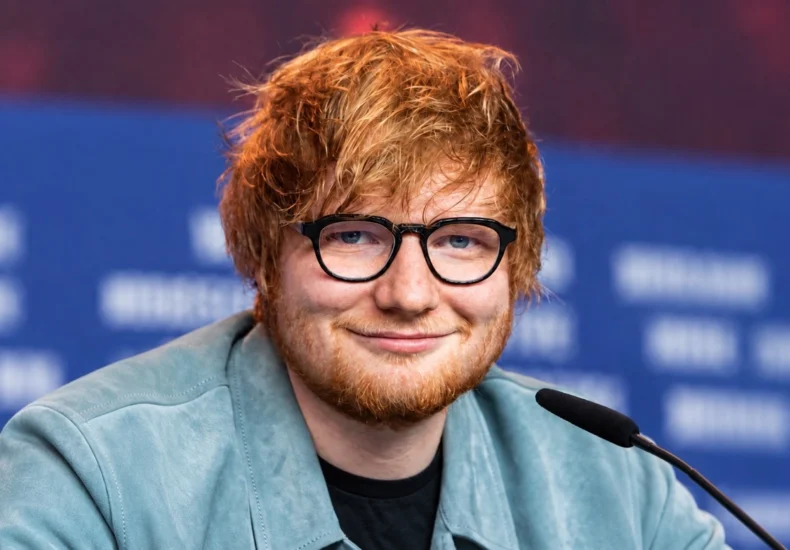
Ed Sheeran tour controversy: How Robert Kraft's pressure to drop Macklemore over «Free Palestine» statements sparked artist walkouts, European solidarity, and fierce debate on artistic freedom. Full analysis of the 2026 Loop Tour dispute.
From Shingles Recovery to Stadium Pressure: How Ed Sheeran Found Himself Caught Between Two Worlds
The Catalyst: Macklemore’s «Free Palestine» Statement
The situation erupted on September 4, 2026, at MetLife Stadium in New Jersey. During his opening set for Sheeran’s Loop Tour, American rapper .
He followed with his song «Hind’s Hall», which addresses pro-Palestinian student protests at Columbia University, while footage of devastation in Gaza appeared on stadium screens. The next night, he directly addressed Jewish audience members, stating: «Criticism of Israel, criticism of apartheid, being against genocide in no way is a criticism of you. My message is for peace, love; for all human beings to be treated with dignity, respect and equality».
Venues subsequently communicated they would not host the shows if Macklemore remained on the lineup. New England Patriots owner Robert Kraft, who owns Gillette Stadium, stated that Macklemore’s participation «would cross that line» based on his «recent actions, material shared from the stage…and a broader history of antisemitic rhetoric and imagery».
Ed Sheeran’s Position: «Not Complicit»
Sheeran responded to the controversy by emphasizing his neutrality. He wrote: «I am appalled by the conflict between Israel and Palestine. The suffering and pain caused on both sides is a human tragedy». He maintained that his shows were meant to be spaces where people from all backgrounds gather, and that fans «do not expect a political forum».
However, critics argued that maintaining neutrality in situations of profound inequality constitutes taking a side. Macklemore later stated: «There is no neutral position between the oppressor and the oppressed».
The European Artists’ Stand: Historical Memory and Solidarity
What distinguishes this controversy from similar incidents is the prominent role of European artists—particularly Irish acts—who cited their own nation’s historical experience with occupation as motivation for their decision.
Beoga, Sheeran’s own backing band, announced on Instagram they would quit the U.S. leg of the tour. The traditional Irish band explained: «We are a traditional Irish band who never saw ourselves playing in stadiums of that size and that opportunity is not lost on us. We have been friends with Ed for over 10 years now and will continue to be. We believe in dialogue as a means of progressing the plight of the Palestinian people. ; Their statement referenced what they called the silencing of Macklemore by «zionist lobbies».
Also withdrawing were:
- Finneas (Billie Eilish’s brother and producer), who wrote «I stand with Palestine and its people».
- Aaron Rowe, Irish singer-songwriter
- Lukas Graham, Danish band known for hits like «7 Years»
These European artists’ willingness to sacrifice significant income and exposure reflects what many observers describe as growing solidarity across Europe with Palestinian voices, a movement influenced by historical parallels drawn between Ireland’s experience under British rule and Palestine’s current situation.
Pink’s Intervention: A Contrasting Viewpoint
Pink sparks outrage after calling Macklemore’s pro-Palestinian Ed Sheeran concert set «anti-Israel propaganda», with critics accusing her of ignoring Gaza’s genocide and humanitarian crisis.
Her comments highlighted a different perspective: the concern among some Jewish community members about certain forms of pro-Palestinian expression. However, unlike the European artists who withdrew, Pink did not participate on the tour lineup.
Massive Attack Criticizes Sheeran’s Apolitical Stance
The UK electronic band Massive Attack, known for their own long-standing advocacy on Palestine, issued a particularly sharp critique. They challenged Sheeran’s statement about using fame to «maintain diplomacy and keep conversations open, not closed».
The band has been described as «relentless in their advocacy for years», two members were banned from Singapore earlier in 2026 for displaying the Palestinian flag during a concert. They also released a charity EP titled «Ceasefire: In Benefit of Doctors Without Borders» to raise funds for Gaza relief efforts.
European Public Opinion and Social Media Response
The controversy sparked significant debate across European social media platforms. According to reports from the Europe Palestine network, a civil society initiative, many users expressed pride in the artists who chose to withdraw: «What is happening is HUGE!!! Artists turning their back to billionaires!!!! I am so happy and proud!!!!».
Some fans reported discovering lesser-known artists through their stands, with comments such as «You’ve gained a fan» directed at Aaron Rowe. Climate activist Greta Thunberg also joined in praising the decision to withdraw.
Questions About Free Speech in Entertainment
This incident raises fundamental questions about artistic freedom in the entertainment industry. When venue owners—often wealthy individuals or corporations—can effectively determine which political messages are permissible on stage, the implications extend beyond any single performer.
Yet the flipside involves the genuine concerns of communities feeling targeted by certain forms of political expression. The challenge lies in balancing protection against discrimination with protection against censorship.
Conclusion: The Cost of Taking Sides
For Ed Sheeran, still recovering from his bout with shingles, the controversy presented an impossible choice. His reputation for bringing people together collided with expectations to take a moral stance during what Macklemore described as «tens of thousands of Palestinian children being killed».
The European artists who walked away demonstrated that financial cost, career risk, and potential industry backlash did not outweigh their commitment to solidarity with Palestine. Whether history will judge their decision as principled resistance or unnecessary confrontation remains to be seen.
What is clear is that the intersection of music, politics, and humanitarian crises continues to grow more complicated, and more consequential, in an interconnected global culture where every performance carries weight beyond entertainment.
Ed Sheeran had a historic opportunity and he squandered it. The moment Robert Kraft (wellknown to be part of Israel propaganda machine) threatened to pull the plug on Gillette Stadium, Sheeran should have refused to be leveraged: cancel the affected shows himself, name Kraft publicly as the reason, and let the world see exactly who decides which artists get to speak. Instead, he hid behind «it was the promoter’s decision» and «I am not complicit», words that ring hollow now. It doesn’t matter what he intended. By yielding to the pressure, he became part of the machinery he claims to oppose, and that machinery will squeeze every drop of value out of his silence. «Not complicit» isn’t a shield; it’s a talking point they’ll quote for years.
Most Popular
- Books & Literature
Campaigners To Write Book Telling Australia’s Marriage Equality Story
- World - LGBTQ Rights
Homophobic Uganda Should Reject Sexual Offences Bill
- Music Video
Osher Sebbag – «I’m not your top»
- USA - LGBTQ Rights
United States: State Laws Threaten LGBT Equality

Must Reads
- Music Video
Lyle Anthony – «My Forever»