
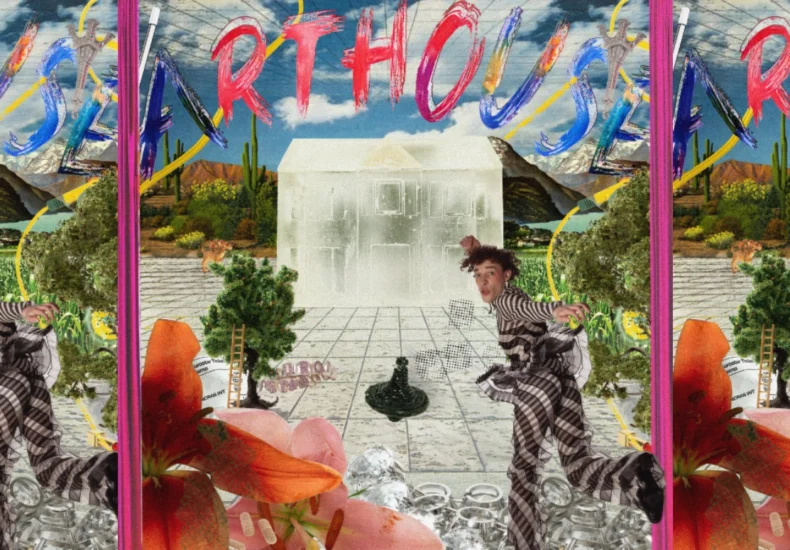
Photo credit
Nemo Dumps Eurovision Trophy in Fiery Protest Over Israel’s Return
Eurovision 2024 winner Nemo has announced they will return their trophy in protest after organisers confirmed Israel will be allowed to compete next year — saying «I no longer feel this trophy belongs on my shelf», according to the independent.co.uk.
Nemo’s Instagram bombshell has sent shockwaves through the pop world and the contest’s glittering corridors. The 26‑year‑old Swiss singer, who shot to fame with the haunting hit «The Code» and made history as the first openly non‑binary Eurovision champion, said the decision was driven by conscience rather than theatre. They told fans they were «immensely grateful» for the experience but could no longer reconcile the trophy with the contest’s current direction.
The move comes amid a mounting row over the European Broadcasting Union’s stance on Israel’s participation, which has already prompted several national broadcasters to announce withdrawals from the 2026 contest. Nemo’s return of the trophy is the most dramatic celebrity rebuke yet — a symbolic act that turns a shiny statuette into a political statement and forces Eurovision’s organisers to confront a crisis that threatens the contest’s claim to unity and inclusion.
Supporters praise Nemo for taking a stand and refusing to let their win be used to «soften» a state’s image, while critics argue that music should remain a refuge from geopolitics. Either way, the image of a Eurovision champion walking away from their prize is a headline no PR team wanted to manage this close to the festive season.
What Nemo said: in a short but pointed post, they wrote that while Eurovision’s values of unity, inclusion and dignity once made the contest meaningful to them, the decision to allow Israel to compete during an ongoing international outcry made those values feel hollow. «If the values we celebrate onstage aren’t lived offstage, then even the most beautiful songs lose their meaning», they declared.
Reactions have been swift and split. Some broadcasters — including those that have announced boycotts — hailed Nemo’s stance as principled; others, and several political figures, warned against letting the contest become a battleground for state policy. Behind the scenes, EBU officials are said to be scrambling to contain the fallout and to reiterate that Eurovision is «non‑political», even as the row grows louder.
For Nemo, sending the trophy back to the EBU’s Geneva headquarters is both a personal protest and a public dare: live what you claim, they seem to say. Whether this sparks a wider cultural movement or becomes a footnote in Eurovision lore depends on how organisers, broadcasters and fans respond in the coming weeks.
One thing is certain: a trophy that once symbolised triumph now sits at the centre of a debate about art, ethics and accountability — and Nemo has made it impossible to ignore.